
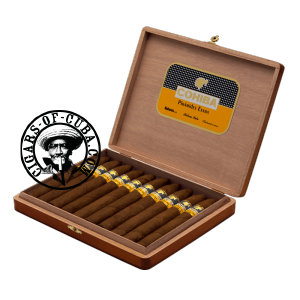

Few cigar names carry the mystique of Cohiba. Mention it among enthusiasts and conversations often turn to craftsmanship, history, and the quiet pleasure of slowing down. At Cigars Throne , the appeal is easy to understand: Cohiba is more than a familiar gold-and-black band. It is a name with a remarkable story, a distinctive style, and a place in cigar culture that invites curiosity.
From a Private Favorite to a World-Renowned Name
Cohiba’s story began in Cuba in the 1960s. The brand was initially made for a select circle, and its name comes from an Indigenous Taíno word associated with the rolled tobacco leaves encountered by Christopher Columbus in the Caribbean. In 1982, Cohiba became available to international markets, bringing its Cuban heritage to a much wider audience. That path from exclusive beginnings to global recognition helped build its enduring aura.
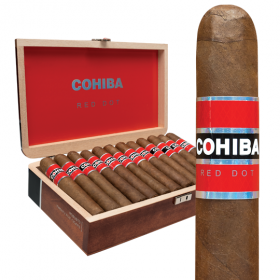
The name also calls for a little context. Cuban Cohiba is produced in Cuba, while cigars sold under the Cohiba name in the United States are made outside Cuba by a separate company. Their blends, origins, and brand histories are not the same. Knowing which one you are exploring makes the experience clearer—and adds an interesting chapter to the broader story of how cigar traditions travel and evolve.
Craftsmanship You Can See and Taste
Part of Cohiba’s reputation comes from the care associated with its Cuban production. Its tobacco is selected and blended with attention to balance, while some Cuban Cohiba lines are known for an additional fermentation process involving tobacco leaves. The details vary by cigar, but the larger idea is consistent: skilled hands and thoughtful preparation shape the character of what ends up in the box.
For many smokers, a Cohiba is an occasion cigar—not because a special moment is required, but because taking time with one can make an ordinary evening feel considered. The presentation is elegant, the construction is designed for an even burn, and the flavor journey can develop as the cigar progresses. Depending on the particular cigar, people may notice earthy, woody, roasted, or gently sweet impressions. Each palate is different, which is part of the fun.
There is no single “right” way to appreciate the brand. Some aficionados enjoy comparing different Cohiba lines side by side, while others prefer to focus on one cigar without distraction. A comfortable setting, a suitable cutter, and a reliable lighter can help make the ritual smoother. Taking an unhurried pace also lets the changing aromas and flavors stand out instead of rushing past them.
A Conversation Starter with Global Reach
Cohiba has become a natural conversation starter because it connects people to more than a blend. It brings together Cuban agricultural history, the artistry of cigar rolling, changing trade routes, and the traditions people build around sharing a smoke. A box might prompt stories about travel, a first tasting, or a memorable celebration. Even someone new to cigars can find the brand’s history an inviting place to begin learning.
Collectors, too, are drawn to Cohiba’s visual identity and place in cigar culture. Packaging, bands, and individual lines can all inspire interest, though availability and rules differ from country to country. Anyone considering a purchase should check local laws, buy through reputable retailers, and confirm the cigar’s origin. Those small steps help ensure the story behind the cigar matches what is being offered.
Ultimately, Cohiba’s lasting charm comes from the meeting of heritage and experience. Its name carries history, but every cigar is also a personal moment shaped by setting, company, and taste. Whether admired as a cultural icon or enjoyed slowly by an experienced adult smoker, Cohiba continues to embody the pleasure of craftsmanship—and the simple luxury of making room for a pause.